

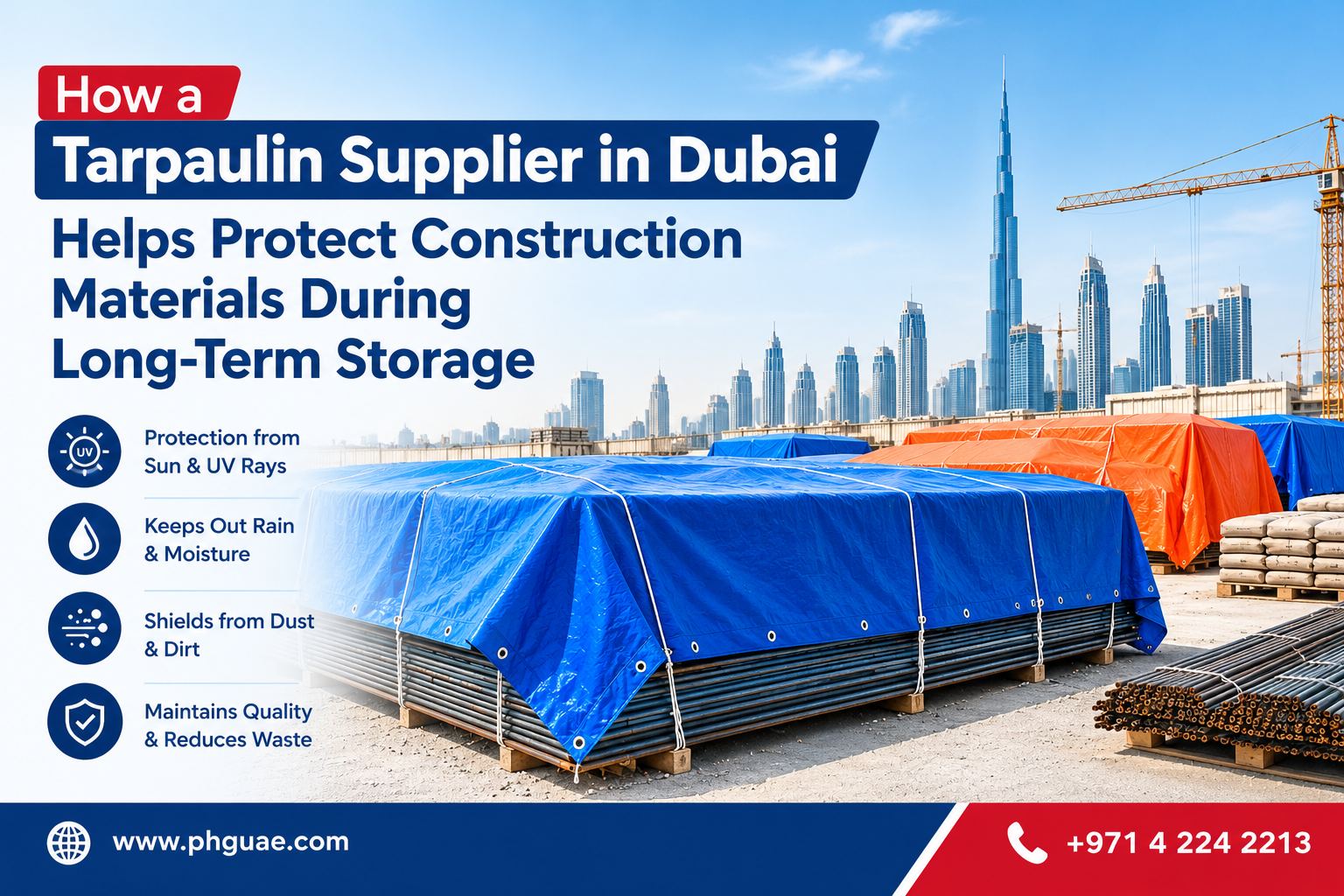
Construction materials aren't cheap. A few bags of cement ruined by rain or a stack of plywood warped by humidity can quietly eat into a project budget. Yet protection during storage is often an afterthought, something people think about only after the damage is done.
PHG GENERAL TRADING LLC supplies tarpaulins for construction, industrial, logistics, and commercial use, so businesses can cover materials and equipment in all sorts of working conditions. The right sheet keeps off dust, rain, and direct sun, which are the usual culprits behind damaged stock.
A reliable Tarpaulin Supplier in Dubai can help you pick a cover that fits your situation, how long the materials will sit, how much weather they'll face, and what the site is like. Cement, timber, bricks, pipes, equipment, each one benefits from a decent barrier. But tossing a sheet over a pile isn't a plan. The fabric, strength, size, tie-down method, and airflow all affect how well it actually works.
Why Long-Term Storage Protection Matters on Construction Sites
Materials rarely arrive exactly when they're needed. Delivery delays, shifting schedules, limited warehouse space, or a bulk purchase can turn a few days of storage into several months.
That's when exposed materials start running into trouble:
- Moisture, can damage packaging, affect timber, and spoil moisture-sensitive products.
- Dust, settles on materials, equipment, and finished surfaces.
- Sun and heat, can wear down plastics, packaging, and other vulnerable items over time.
- Wind, can lift or tear a loose cover and leave goods exposed.
- Extra costs, follow when supplies need replacing, cleaning, or reworking.
Dubai adds its own challenges: strong sunlight, high temperatures, dust, the odd downpour, and wind. A good tarpaulin reduces these risks. It won't replace sensible storage habits, though, and it can't remove every hazard.
How Tarpaulins Help Protect Different Construction Materials
No two materials need exactly the same care. Pick the cover based on how sensitive the material is and what it's exposed to.
Cement and Bagged Materials
Cement and moisture don't mix. If water gets into the bags, or damp air hangs around them, the cement can harden early and become unusable.
For outdoor storage, put the bags on pallets, away from the ground, and in a dry, sheltered spot if you can. A waterproof tarpaulin adds another barrier against rain and dust. Don't press the cover tight against the bags if condensation might form, and tie it so rainwater runs off instead of pooling on top. Check for leaks and damp patches regularly.
If cement has to stay for a long time, think of the tarpaulin as backup. A dry, enclosed space is still the better option.
Timber, Plywood, and Wooden Boards
Wood absorbs moisture, and once it does, it can warp, swell, or break down on the surface. Direct sun can also affect exposed boards over time.
A tarpaulin helps shield timber from rain, dust, and too much sun. But wood needs to breathe, or trapped moisture causes its own trouble. Keep it raised on level supports, cover the top and exposed sides, and don't seal it into an airtight bundle. Take a look after rain or humid spells.
Bricks, Blocks, and Masonry
Bricks and concrete blocks are tougher than packaged goods, but storage still matters. Dust, dirt, and water can mean extra cleaning and handling later.
A heavy-duty cover keeps stacks cleaner and cuts down direct exposure. Porous masonry still needs good drainage and a prepared base. Fasten the cover firmly without putting pressure on unstable stacks, and leave some room for air where drying is needed.
Pipes, Fittings, and Equipment
Pipes, fittings, tools, and machinery often sit idle until a certain stage of work begins. Dust and moisture can get to exposed parts, packaging, and some metal surfaces in the meantime.
A durable tarpaulin gives grouped items a simple protective layer, whether they're outdoors or only partly sheltered. Before covering machinery, make sure it's off, cooled down if necessary, and prepared the way the manufacturer recommends. Avoid trapping moisture underneath, especially near metal parts and electrical components.
What Should You Look for When Choosing a Tarpaulin?
Not every sheet works on every site. The right one depends on exposure, the weight of what's underneath, how long it'll stay covered, and how often someone will be handling it.
Material Type
The common options are polyethylene (PE), HDPE woven fabric with coatings or laminations, PVC-coated fabric, and canvas.
PE tarpaulins suit general covering, temporary storage, and weather protection, depending on how they're made. PVC comes in different grades for demanding industrial work, and how well it performs depends on the fabric and coating. Canvas is often more breathable than sealed synthetic sheets, depending on fabric and treatment, but it isn't automatically waterproof.
So decide what worries you most: rain, dust, sun, abrasion, or constant handling. That answer usually points to the right material.
GSM and Tear Resistance
GSM stands for grams per square metre and tells you how heavy the fabric is. It's handy for comparing products, but it doesn't prove waterproofing, UV resistance, or tear strength by itself.
A higher GSM may suit tougher jobs, though you should also look at the construction, reinforcement, coating, and stated performance. A sheet covering heavy materials for months needs a stronger build and reinforced edges than one used briefly for indoor storage.
Size, Eyelets, and Edge Reinforcement
A cover has to extend past the materials to protect them. If it's too small, the edges stay exposed. If it's far too big, it becomes a nightmare to secure in wind.
Measure the length, width, and height of your stack before ordering, and add extra for overlap and fastening. Check for reinforced hems and well-spaced eyelets so you can tie it down with proper ropes. This matters most when the sheet will be removed, moved, and reused during the project.
How to Prepare Materials for Long-Term Storage
Even an excellent cover can't make up for poor preparation. A little structure goes a long way.
Start with the ground. Choose a stable, well-drained spot, and avoid places where rainwater gathers or runoff flows underneath. Use pallets, racks, or supports when materials shouldn't touch the ground.
Sort the materials. Group items by what they need. Moisture-sensitive products deserve more careful protection than those that can handle ordinary outdoor exposure. Keep sharp edges and protruding fittings away from the sheet, since they cause punctures and tears.
Place the tarpaulin carefully. Cover exposed surfaces and let water drain off. Avoid flat sections where water can collect, because it adds weight and strains the fabric and tie points. And if the material needs ventilation, don't wrap it tight.
Tie it down properly. Use the eyelets and reinforced edges with suitable ties at sensible intervals, keeping wind and stack stability in mind. Don't attach ropes to weak structures, and don't pull so hard that the sheet gets damaged.
Inspect often. Check after heavy rain, strong wind, or other big weather events. Look for loose ties, tears, standing water, condensation, and exposed edges. Fix or replace damaged covers quickly, and rethink the setup if the same issue keeps coming back.
How a Reliable Supplier Supports Construction Storage Requirements
Choosing gets easier when a supplier offers different materials, sizes, and specifications side by side. Companies running multiple sites may also need steady stock and bulk quantities.
Experienced tarpaulin sheet suppliers in dubai can walk buyers through practical details like fabric type, GSM, dimensions, reinforced eyelets, and storage conditions. When comparing suppliers, look at these things:
- The range of tarpaulin types available for different uses
- Accurate specifications covering material, weight, size, and intended use
- Options for both single purchases and larger project orders
- Advice based on your exposure and storage needs
- Clear communication about stock and delivery timing
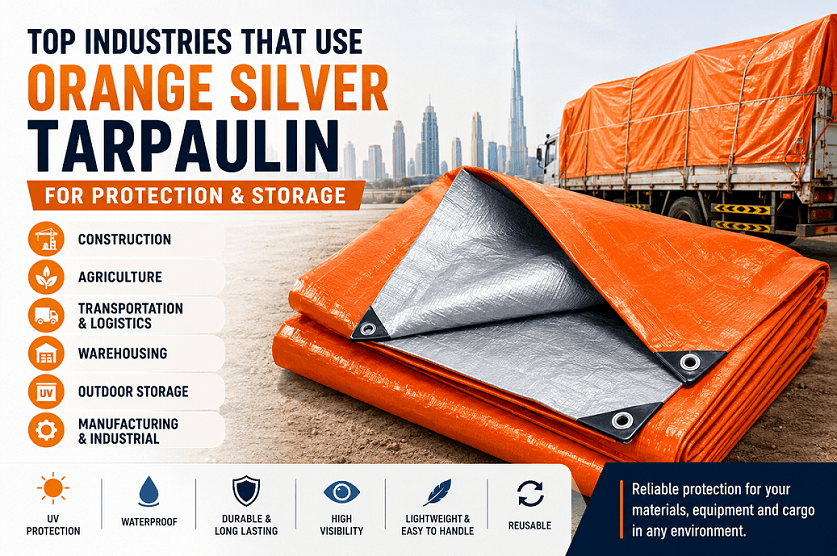
PHG GENERAL TRADING LLC offers blue, orange, orange-silver, canvas, and fire-retardant tarpaulins in various sizes and material specifications. Buyers can look through the range and find what suits their construction or industrial requirements.
Common Mistakes to Avoid During Long-Term Storage
Some mistakes are easy to avoid, yet they can undo the benefit of even a durable tarpaulin.
Using one cover for everything. Cement, timber, machinery, and metal parts don't share the same needs. Match the sheet to the material's sensitivity, exposure, and storage time.
Forgetting ventilation. Sealing damp materials under an impermeable cover traps moisture and causes condensation. That's a particular problem for timber, metal components, and packaged goods. Arrange the storage so air can move where it's needed.
Leaving the sheet loose. A slack cover flaps in the wind, rubs against sharp surfaces, and lets rain and dust in. Keep it steady, but not stretched to its limit.
Believing waterproof means no upkeep. Damaged coatings, punctures, loose edges, and standing water can all hurt performance. Regular checks matter, especially when materials sit outdoors for months.
Frequently Asked Questions
1. How does a tarpaulin protect construction materials during long-term storage?
It works as a barrier against rain, dust, and direct sun. How well it performs depends on the material specification, installation, fastening, ventilation, and maintenance.
2. Which tarpaulin is suitable for outdoor construction storage in Dubai?
PE or HDPE-based tarpaulins with suitable waterproofing and UV resistance work for many outdoor uses. The right GSM, size, and reinforcement depend on what you're covering and how exposed it is.
3. Can tarpaulins protect cement bags from rain?
A properly installed waterproof tarpaulin helps against direct rain. Still, keep cement on pallets in a dry, well-protected area, because prolonged dampness can spoil it.
4. How do I choose the right tarpaulin size?
Measure the whole stack and add extra for coverage, overlap, and fastening. Make sure water can run off instead of collecting on the sheet.
5. Can the same tarpaulin be reused across projects?
Yes, if its material and condition still suit the next job. Clean it, let it dry fully before storing, and check for tears, weak eyelets, or damaged coatings.
Conclusion
Protecting construction materials during long-term storage comes down to a few things: the right cover, a properly prepared site, secure installation, and regular inspection. Think about material sensitivity, weather, sheet specifications, and airflow, and you'll avoid most preventable damage.
Working with an experienced Tarpaulin Supplier in Dubai can also help businesses find the right covers for construction, warehousing, and industrial use. PHG GENERAL TRADING LLC offers a range of tarpaulin products for different protection needs, helping procurement teams explore practical options for their projects.
Looking for durable tarpaulin sheets for your construction site or long-term material storage? Contact PHG GENERAL TRADING LLC to discuss your requirements, explore available sizes and specifications, and request a quotation for your next project.